英語圏で成功するための日本人プロフェッショナル向けガイド
Hopefully by the time you are done reading this global business etiquette guide, we can make sure you’re not high-fiving in a boardroom or bowing during a handshake—yeah, it happens.
I once watched a movie that had an interesting title – “I can do bad all by myself”. I was always intrigued by that title, how can one do bad willingly, what is that even like? In the end, I watched it out of curiosity, needless to say, I remember nothing about it now, years later. There was no real impact for me from it except the title of “being bad”.
Which leads me to my point, business in any language is all “bad” all by itself. There are so many unwritten rules to navigate so as to be successful. There are tons of others that we learn in school and through experience as well. The more you learn, the sharper you get, and ultimately the better you become.
If you want to be great though, successful and with a lasting stance in business, you may need to broach the international market at some point. They call it a global village now, don’t they? It just is what it is, and this is not always as easy as it sounds.
Navigating the labyrinth of business etiquette in English-speaking countries can feel like trying to solve a Rubik’s Cube blindfolded. That’s the truth!
We acknowledge the big names in business like Warren Buffet and Tadashi Yanai for example, not because of being “bad” all by themselves, but because they have conquered the international business environment on many different levels. They all go out of their comfort zones to achieve whatever they put their minds to.
For Japanese business professionals who have set their minds on dipping their feet into international business, the cultural differences can be both intriguing and overwhelming.
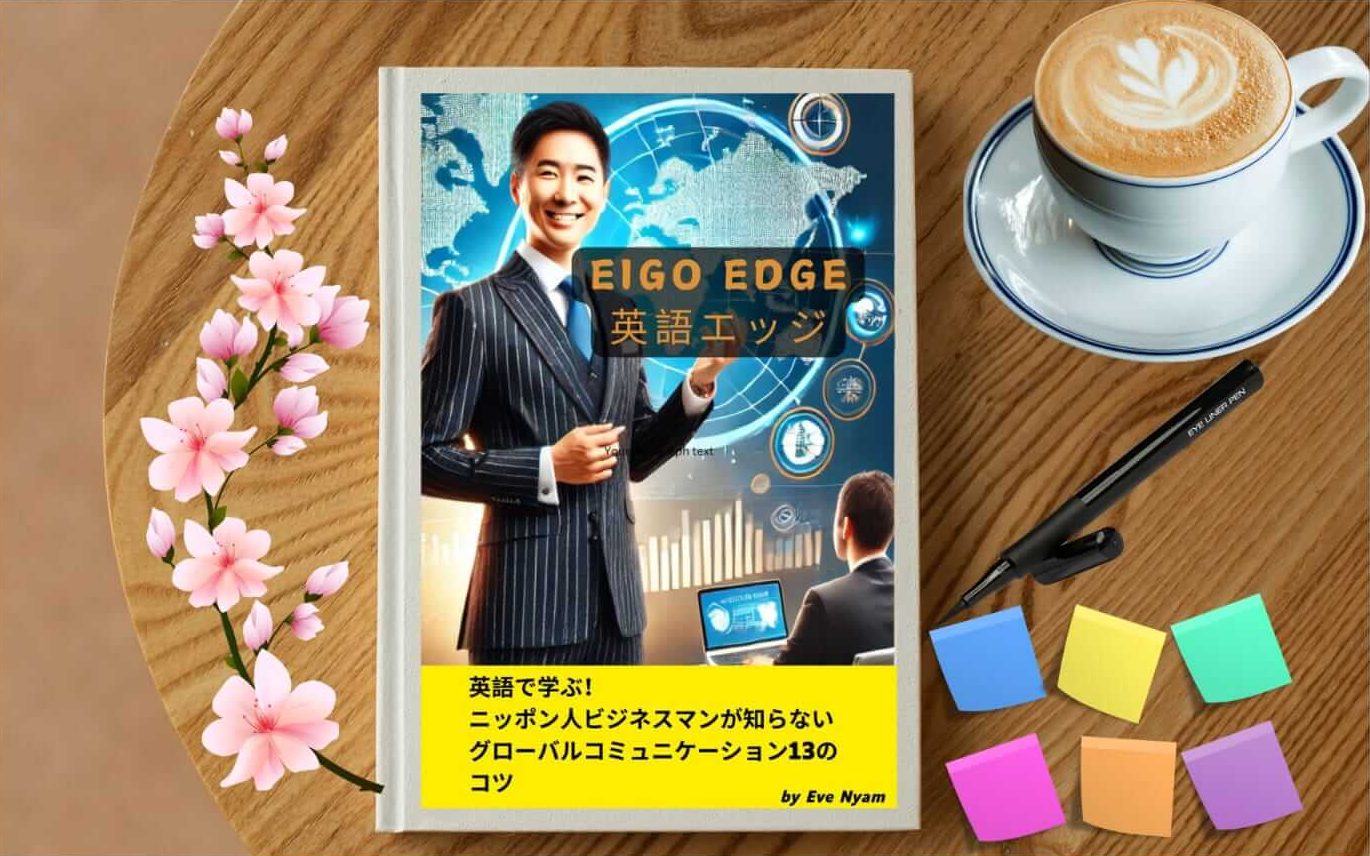
Remember to subscribe to our newsletter for weekly tips on global business etiquette and business English success at the bottom of this page. And don’t forget to check out Eigo Edge!
This global business etiquette guide will help you master the art of Western business etiquette, ensuring you make lasting impressions and avoid awkward faux pas.
1. The Art of Greetings: Handshakes, Smiles, and Eye Contact
I saw some awkward greetings exchanged between a Japanese business mogul and his western business counterparts once. One was bowing – we know who, the other did not know what to do, to bow, not to, to stretch out his arm, or not, funny really. It may be funny on screen as it is often the opening of many comical movies that portray cross cultures. It can however be quite embarrassing if you encounter this in the real world.
I’m almost sure most Japanese business professionals have either seen or experienced this awkward situation a few times when they engage their international business partners!
In Japan, a respectful bow speaks volumes. But in English-speaking countries, the handshake reigns supreme. Mastering this seemingly simple gesture can make or break your first impression.
Tips for the Perfect Handshake:
-
- Firm, Not Crushing: Aim for a confident grip without causing your counterpart to wince in pain. Think “friendly yet professional.”
-
- Eye Contact: Maintain steady eye contact, but don’t channel your inner samurai warrior—this is a business meeting, not a showdown.
-
- Timing: Two to three shakes is ideal. Any longer, and you risk entering “awkward territory.”
Of course if you’re worried about sweaty palms, a discreet wipe on your trousers beforehand is perfectly acceptable. Better safe than slippery!
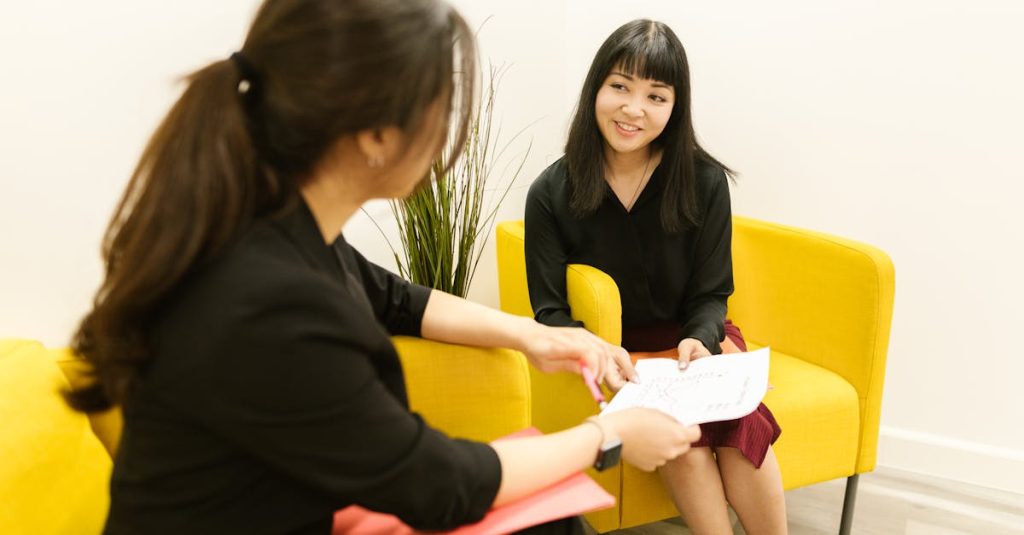
2. Small Talk: The Gateway to Big Deals
Truthfully speaking, I dislike small talk, especially casually. I never know which topics are safe, which are not, or even when to stop and switch gears to business chatting.
While this may be so, small talk is an integral part of Western business culture whether we like it or not. So I had to study and get it right. It turns out that when it is done in business circles, it is really easy and can speak volumes about your personality, which in turn can land you big deals!
So, while Japanese business professionals often dive straight into business, their English-speaking counterparts prefer a warm-up and for a good reason.
Topics to Embrace:
-
- Weather: It’s a universal favorite. “Lovely weather today” never fails.
-
- Sports: Even if you don’t follow football or baseball, a general comment like “Did you catch the game last night?” works wonders.
-
- Travel: Sharing experiences about your journey or asking about theirs builds rapport.
Topics to Avoid:
-
- Politics and Religion: These are conversational minefields. Proceed with caution or even better, avoid entirely!
-
- Personal Finances: Asking about someone’s salary is a no-go. Like really, don’t do it.
If all else fails, compliment their tie, shoes, or even their pen. Everyone loves a good ego boost!
3. Dress to Impress: Decoding Business Attire
One time I was reading an economics article in the paper and right there next to it, was a complimentary picture of a few Japanese business professionals leaving work at the end of the day. I was a little confused about the attire. Bear with me here, they all looked like they were wearing some sort of plain uniform! So I asked my colleague from Japan and he made it clear that it was not uniform but a generally accepted conservative kind of wear. I was perplexed!

The case is different in english-speaking countries that often offer more flexibility. However, this doesn’t mean you can waltz into a meeting in Hawaiian shirts and flip-flops (unless it’s a beachside retreat).
Guidelines:
-
- Research the Dress Code: If in doubt, ask your host or err on the side of formal.
-
- Quality Over Flashiness: Invest in well-tailored suits and polished shoes.
-
- Accessories: Keep it simple. A classic watch or understated tie pin suffices.
Remember, socks matter. Nothing derails a polished look like pokemon socks peeking out during a presentation.
4. Communication Styles: The Direct and the Diplomatic
Whenever I have interactions with my fellow Japanese business professionals, I do notice how indirect they are in their communication. Or rather, how hard they try to be! In Japan, indirect communication is an art form. But in English-speaking countries, directness is often appreciated, albeit with a side of tact.
Do:
-
- State Your Point Clearly: Avoid excessive preambles. “We need to discuss the budget” works better than “I was thinking, perhaps, maybe, we could touch on finances.”
-
- Use Polite Expressions: Phrases like “I would suggest” or “May I recommend” soften direct statements.
Don’t:
-
- Overuse Apologies: While “sumimasen” is a staple in Japan, constant apologizing in English can undermine your confidence.
If you’re tempted to use “Let’s do our best” (ganbatte), remember it might confuse your audience. Instead, try “Let’s give it our all!”
5. Time Management: Punctuality and Beyond
Japanese professionals are renowned for their punctuality. There is even a world record that has been set for the train punctuality in Japan, you cannot find this kind of dedication anywhere else in the world! Not surprisingly, in English-speaking countries, being on time is equally important, but there are nuances to note.
Golden Rules:
-
- Arrive Early: Aim to be 5-10 minutes early. It shows respect and preparedness.
-
- Respect Deadlines: If you promise to send a report by Friday, don’t make it Saturday.
-
- Meeting Durations: Stick to the allocated time. Overstaying can inconvenience others.
If you’re running late, a quick text or email apologizing is better than showing up breathless with a dramatic story about traffic. It’s not a good look on you either!
6. Business Meals: Forks, Knives, and the Elusive Bread Plate
Many of my best business deals have been closed whale sharing a meal with my business counterparts. There is nothing that can bring all of us together like a meal. Sharing a meal can seal a business deal, but dining etiquette varies significantly across cultures.
Dining Dos:
-
- Wait for Everyone: Don’t start eating until everyone is served.
-
- Napkin Etiquette: Place your napkin on your lap as soon as you sit down.
-
- Cutlery Know-How: Start from the outside and work your way in, if you are unsure of this, do not be shy to rely on the good old chopsticks just so as to make an impression. It is better to be sure with chopsticks than sloppy with cutlery!
Dining Don’ts:
-
- Slurping: While acceptable for noodles in Japan, it’s absolutely frowned upon in Western settings.
-
- Phone at the Table: Keep your phone on silent and off the table.
If you’re ever confused about which bread plate is yours, remember the acronym “BMW”: Bread on the left, Meal in the center, and Water on the right.
7. The Art of Gift-Giving
We all love gifts, it’s so heartwarming to imagine that your business partners have been thinking about you outside of the cash flow discussions. But while gift-giving is a cherished tradition in Japan, it is not in English-speaking countries, and it’s even less common in business settings.
Guidelines:
-
- Keep It Modest: A thoughtful token like a pen or a local delicacy is appreciated.
-
- Avoid Extravagance: Lavish gifts may make recipients uncomfortable.
-
- Present it Thoughtfully: Hand it over at the end of a meeting with a warm explanation.
Skip the wrapping paper origami no matter how tempting it is. Simple and neat wrapping will suffice.
8. Humor in the Workplace: Proceed with Caution
I love some good humor. It makes me feel like I’m not Jack, you know that old English saying? All work and no play makes Jack a dull boy? Nobody wants to be all gloomy and heavy all day long, it’s not good for business!
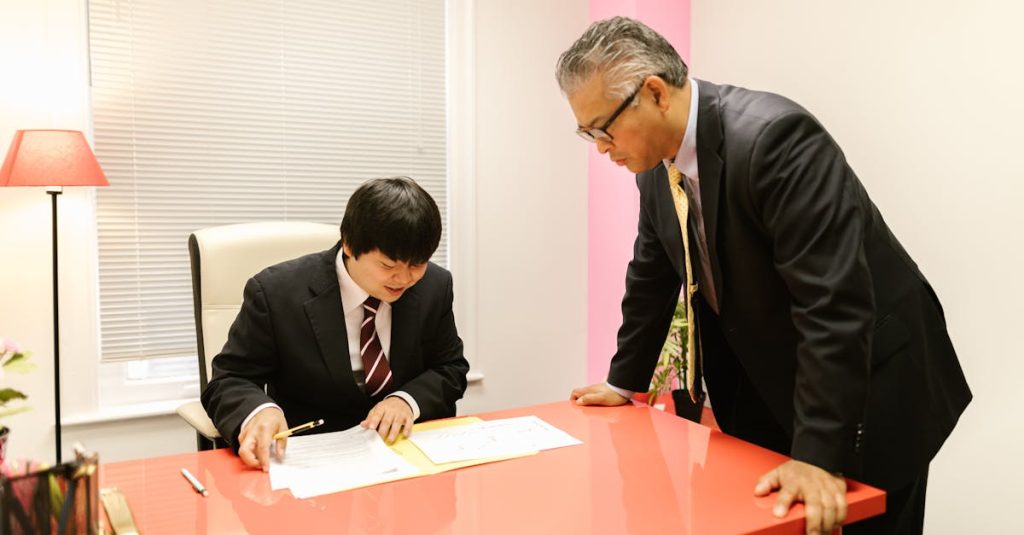
Humor can break the ice, in fact it is guaranteed to do so, but cultural differences mean that what’s funny in one country might not land in another.
Tips:
-
- Keep It Light: Opt for universal humor like witty observations.
-
- Avoid Sarcasm: It doesn’t always translate well.
-
- Follow Their Lead: If your counterpart uses humor, you can reciprocate cautiously. Don’t overthink it though, be natural and have a fun time.
A self-deprecating joke, like “I’m still getting used to these time zones,” often works well. Just avoid anything too personal or controversial.
9. Building Relationships: Beyond the Business Card
My first time meeting my Japanese business partners looked like a business card showdown! I went home that evening with a stack of them. I had never experienced that before. So I learnt that exchanging business cards is a ritual in Japan.
This is not so in English-speaking countries, business card exchanges are often a casual gesture rather than a ceremonial act.
Relationship-Building Tips:
-
- Follow Up: Send a quick thank-you email after meetings.
-
- Be Genuine: Express genuine interest in your counterpart’s work or hobbies.
-
- Social Events: Accept invitations to after-work gatherings—they’re great for networking. Be careful not to over-indulge in those as well as your reputation is on the line, it is absolutely awkward working together after a dramatic after-work gathering!
If someone gives you their business card, resist the urge to study it intently like a rare artifact. A quick glance and a thank-you suffice.
10. Closing the Deal: Politeness Meets Precision
The best moment of all business dealings, closing the deal. It is the end goal, success has been achieved at this juncture. So when it’s time to wrap up negotiations or finalize an agreement, balancing politeness with assertiveness is key.
Best Practices:
-
- Summarize Key Points: Recap the discussion to ensure mutual understanding.
-
- Express Gratitude: Thank your counterparts for their time and collaboration.
-
- Set Clear Next Steps: Outline what happens next and establish deadlines.
If the meeting ends with a hearty handshake and smiles all around, you’ve done well. Just don’t forget to follow up—success is in the details!
Conclusion
If you can successfully blend adaptability, cultural awareness, and a touch of humor when discussing business ideas and deals with English-speaking business partners, then you truly understand business etiquette.
While it sounds easier than it actually is, every Japanese business professional can master these skills by building strong relationships, avoiding misunderstandings, and definitely leaving a lasting positive impression.
Ready to take your international career to the next level? Mastering global business etiquette is just the beginning. With the right language skills and cultural know-how, you can impress clients, ace meetings, and navigate any boardroom like a pro. 💼🌍
If you’re serious about leveling up your English for real-world business success, check out Eigo Edge—your ultimate toolkit for mastering business English, made just for Japanese professionals like you.
And hey, don’t miss our popular post: 10 Business English Mistakes Japanese Professionals Make—and How to Avoid Them. You’ll learn—and you’ll never say “Let’s fighting!” in a meeting again. 😉
Let’s make your global business journey smoother (and more successful) than ever. You’ve got this!
So, suit up, perfect that handshake, and step confidently into the global business arena—Anata wa kore o motte imasu!
Arigato gozaimasu.